UN Peacekeepers Warn of Soaring Casualties in Lebanon
The United Nations Interim Force in Lebanon (UNIFIL) has issued an urgent warning regarding a sharp escalation in hostilities along the southern…
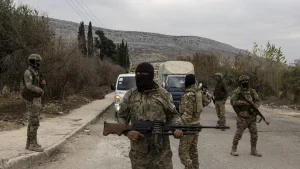
The United Nations Interim Force in Lebanon (UNIFIL) has issued an urgent warning regarding a sharp escalation in hostilities along the southern border. According to the peacekeeping mission, civilian populations are suffering the heaviest consequences as the intensity of military exchanges between Israeli forces and Hezbollah continues to climb at an alarming rate.
Data released by UNIFIL on Monday highlights a volatile two-week period. Between August 5 and August 16, observers recorded an average of 137 projectiles crossing the border daily. The situation reached a critical inflection point over the weekend, with UNIFIL tracking 208 projectiles on Saturday followed by an additional 185 on Sunday, underscoring the rapid deterioration of security in the region.
This surge in violence persists despite the existence of a June 26 ceasefire agreement brokered by the United States. While the accord aims to facilitate the disarmament of the Lebanese militant group Hezbollah, it has faced significant hurdles. Hezbollah has categorically rejected the terms, insisting that any cessation of hostilities remains contingent upon a full withdrawal of Israeli forces from occupied territories in southern Lebanon.
“As tensions rise, civilians are once again paying the highest price,” UNIFIL stated in its official release. The force noted that countless families have been uprooted, while others are forced to navigate daily life under the constant threat of bombardment, living in a state of profound insecurity and uncertainty.
In response to the crisis, UNIFIL personnel remain on the ground, conducting patrols, clearing explosive hazards, and facilitating the delivery of vital humanitarian aid. Despite the mounting danger, the UN stresses that Security Council Resolution 1701—the 2006 framework designed to ensure the cessation of hostilities—remains the essential blueprint for restoring long-term stability in the area.
The geopolitical stakes are further complicated by the impending expiration of UNIFIL’s mandate at the end of the year. While some international actors debate the future of the mission, Lebanon’s leadership, including President Joseph Aoun, has formally requested an extension, viewing the international presence as a critical buffer against total collapse.
Analysts suggest the current escalation serves a strategic purpose. Ziad Abu Rish, an associate professor at Bard College, noted that the strikes appear designed to project military resolve and exert pressure on Hezbollah. However, critics argue that the campaign results in the collective punishment of Lebanese civilians, particularly within the Shia-majority regions of the south.
Summary:
1. UNIFIL reports a sharp rise in cross-border projectile fire, averaging 137 daily.
2. The surge in violence has displaced families and paralyzed daily life for Lebanese civilians.
3. A US-brokered ceasefire remains ineffective as Hezbollah demands a full Israeli withdrawal.
4. UNIFIL continues humanitarian and peacekeeping efforts amidst calls for its mandate to be extended beyond year-end.
5. Experts characterize the current Israeli military posture as a tactic of collective pressure on both Hezbollah and the local population.