The King Who Challenged the West: Did Oil Cost Faisal His Life?
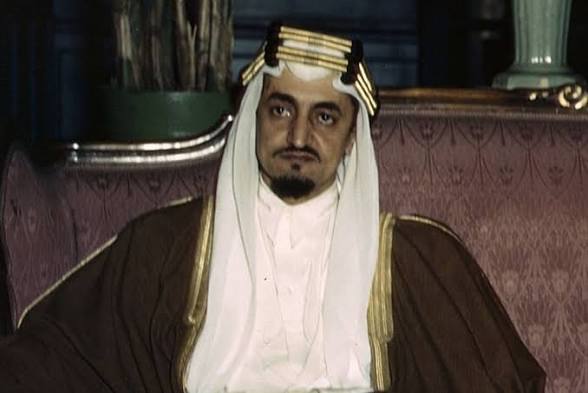
Featured image for news article
On March 25, 1975, the sudden assassination of King Faisal bin Abdulaziz Al Saud inside a Riyadh palace shook the foundations of the global order. While officially recorded as the act of a disgruntled nephew, the event sparked decades of speculation. To many, the monarch’s death was not merely a family tragedy, but a potential geopolitical reckoning for a leader who dared to bring Western economies to their knees.
King Faisal’s rise to power and his subsequent governance changed the Middle East forever. However, it was his bold response to the 1973 Yom Kippur War that etched his name into history. When the United States launched a massive military resupply effort for Israel, Faisal did the unthinkable: he utilized oil as a weapon against the world’s most powerful nations.
By coordinating an absolute oil embargo against the U.S., the Netherlands, and other Western allies, Faisal triggered a seismic shift in global economics. The price of crude oil skyrocketed from roughly $3.01 to $11.65 per barrel. The impact was immediate and devastating: the American economy lost an estimated $20 billion in GNP, with over half a million jobs vanishing in the fallout.
The embargo exposed the vulnerability of Western industrial power. In Europe and the U.S., citizens faced rationing, fuel shortages, and three-day work weeks. For the first time since the Second World War, the illusion of Western economic invincibility was shattered by a single policy decision emanating from Riyadh.
The tension reached a breaking point when U.S. Secretary of State Henry Kissinger flew to Saudi Arabia, hoping to intimidate the King into lifting the ban. Kissinger reportedly used a mix of diplomatic pressure and veiled military threats, implying that the U.S. might intervene to seize the oil fields if the situation did not normalize.
King Faisal’s response remains one of the most legendary rebuttals in diplomatic history. Standing firm against the superpower, he famously stated, “We are the grandchildren of bedouins. Our ancestors survived on dates and milk, and we can easily return to living in tents. But if we cut off your oil, can your people survive without their luxuries?”
Faisal’s refusal to back down transformed him into a hero of the Global South, but it also made him a prime target. His assassination just two years later continues to raise uncomfortable questions. Was it truly a rogue family member, or did his defiance represent a threat to Western hegemony that could only be silenced by force?
Summary of Key Facts:
1. King Faisal used oil as a political weapon during the 1973 Yom Kippur War.
2. The embargo caused a 400% surge in oil prices and crippled Western economies.
3. Faisal famously rejected U.S. threats, asserting his nation’s independence from Western luxuries.
4. His assassination in 1975 remains one of history’s most debated geopolitical mysteries.