Iran Rejects US Ceasefire Talks Amid Rising Tensions in Persian Gulf
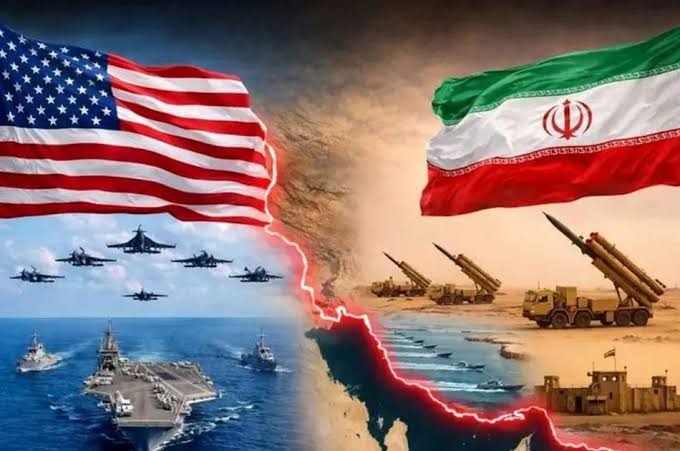
Featured image for news article
Diplomatic hopes for de-escalation between the United States and Iran have shattered, as Tehran officially denied reports of ongoing ceasefire negotiations. The collapse of these backchannel discussions has left both nations locked in a dangerous cycle of mutual threats and military posturing.
The confusion began following a brief, unexpected lull in regional air operations. While Washington attempted to frame this pause as an opening for diplomatic compromise, Iranian officials have moved quickly to dismantle that narrative, characterizing it as a fabricated Western attempt to project control.
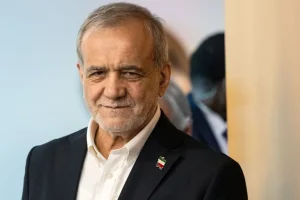
In a sharp address, Iranian Foreign Ministry Spokesman Esmaeil Baghaei clarified Tehran’s position, stating, “We currently have no negotiations with the United States and are not bound to any ceasefire.” Baghaei further emphasized that Iran maintains full, unrestricted authority to act militarily against perceived threats, particularly within the Strait of Hormuz and the broader Persian Gulf.
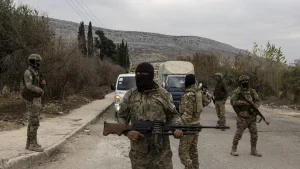
The Strait of Hormuz remains the focal point of this standoff. As a critical maritime artery responsible for transporting roughly 20% of the world’s energy supplies, the waterway is under close watch. Reports indicate that the Iranian Revolutionary Guard Corps (IRGC) continues to exert sovereign control, turning back vessels they deem unapproved and signaling that maritime access remains tied to the broader geopolitical conflict.
President Donald Trump has responded to the rejection with a firm ultimatum. During a recent briefing, Trump suggested that the current pause in U.S. airstrikes is temporary. He warned that if Tehran fails to reach a deal within a short timeframe, the U.S. is prepared to respond “very powerfully.”
Defense analysts suggest that the White House is facing a narrowing window of options. With Iran refusing to capitulate under pressure, the administration is left weighing the consequences of a prolonged military campaign versus the limitations of its current diplomatic leverage. As the clock ticks down on the U.S. ultimatum, the region remains on high alert for further escalation.
Summary:
1. Iran has publicly rejected claims of secret ceasefire negotiations with the U.S.
2. Tehran asserts full military freedom in the Strait of Hormuz, threatening regional energy transit.
3. President Trump has issued an ultimatum, threatening a powerful military response if a deal is not reached soon.