Nuclear Power for Peace: The U.S.-Saudi-Israel Diplomatic Gamble
Featured image for news article
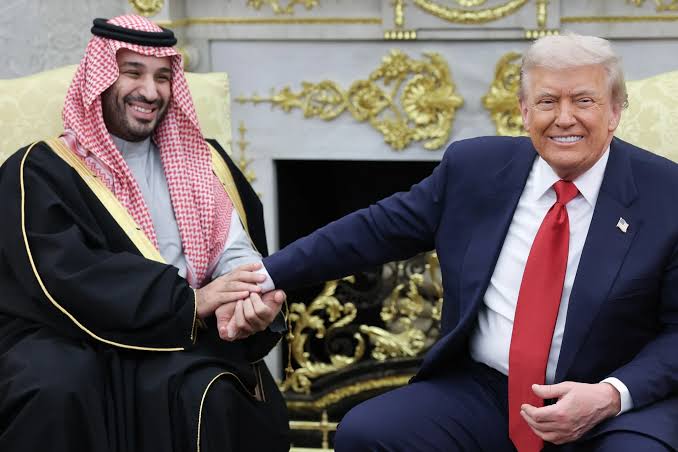
In a bold diplomatic maneuver, the United States is attempting to reshape the Middle East by leveraging civil nuclear technology as a strategic bargaining chip. Washington has clarified that any potential transfer of nuclear infrastructure to Saudi Arabia is now strictly contingent upon the Kingdom formally normalizing ties with Israel through the Abraham Accords.
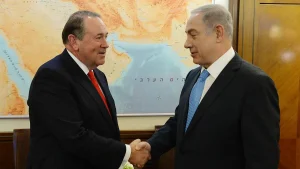
Israeli Prime Minister Benjamin Netanyahu has publicly lauded this development, framing it as a geopolitical masterstroke. Following intense lobbying from Israeli officials, the White House confirmed that the path to nuclear cooperation for Riyadh is paved with diplomatic recognition of the Jewish State.
The Israeli Prime Minister’s Office issued a statement emphasizing that the current regional climate, bolstered by joint military actions against Iran, has created a unique opportunity for expansion. According to the statement, Saudi Arabia’s integration into the Abraham Accords would represent a “historic leap forward” for regional stability.
However, this transactional approach has sparked significant friction. Observers note that Riyadh’s stance remains ambiguous. While Washington insists on the normalization condition, reports suggest that initial bilateral energy agreements signed between U.S. and Saudi officials contained no such explicit mandate, leading to confusion regarding the deal’s true status.
Diplomatic sources close to the Gulf indicate that Saudi Arabia views its bilateral energy treaties as already finalized. There is growing concern in Riyadh that U.S. and Israeli officials are attempting to unilaterally rewrite the terms of these agreements to serve their own security interests.
The deal also highlights a growing divide regarding the Palestinian question. While Saudi officials have consistently stated that normalization must include a credible pathway to Palestinian statehood, the current U.S.-Israeli framework prioritizes regional security and Western alignment over this long-standing objective.
Critics are now highlighting a stark double standard in American foreign policy. While Washington frequently cites nuclear non-proliferation as a justification for sanctions and military posturing against regional adversaries, it appears willing to facilitate nuclear infrastructure for its partners to secure diplomatic insulation for Tel Aviv.
As the situation unfolds, the international community remains divided on whether this high-stakes trade-off will foster genuine peace or simply exacerbate existing regional tensions.
1. The U.S. is using civil nuclear tech to pressure Saudi Arabia into normalizing ties with Israel.
2. Prime Minister Netanyahu views the deal as a major victory for regional security.
3. Riyadh disputes the new conditions, citing already finalized energy agreements.
4. The deal largely ignores the Palestinian statehood issue, sparking international criticism.
5. Critics point to a “double standard” in U.S. non-proliferation policies.