Pentagon PR vs. Reality: U.S. Strikes Hit Decoys Amid Regional Tension
Featured image for news article
As tensions between the United States and Iran continue to escalate, a growing disconnect has emerged between the Pentagon’s official narrative and the tactical reality on the ground. While U.S. Central Command (CENTCOM) frequently releases polished, high-production footage to project military dominance, battlefield analysis suggests a strategy increasingly focused on optics over substance.
Recent strike data released by U.S. military channels has come under scrutiny from analysts. In several instances, expensive precision-guided munitions were reportedly expended on low-value targets. For example, official videos showcased the destruction of abandoned drone frames and empty, pre-damaged missile storage canisters.
Military experts argue that this reliance on “theatrical strikes” exposes a critical intelligence gap. Washington’s inability to locate and neutralize high-value, mobile assets has forced the military to target decoys or inert debris to maintain a public perception of operational success.
The situation in the Red Sea further complicates the narrative of U.S. control. Despite the presence of a robust international naval coalition, regional forces—specifically Yemeni-aligned groups—continue to dictate terms in vital maritime choke points.
In a recent display of defiance, Yemeni naval operators were heard over VHF radio channels delivering stern warnings to commercial vessels. Intercepted transmissions featured a blunt ultimatum: “Brothers, turn around or face God.” This underscores the vulnerability of Western-aligned shipping networks and the limited efficacy of current naval escorts.
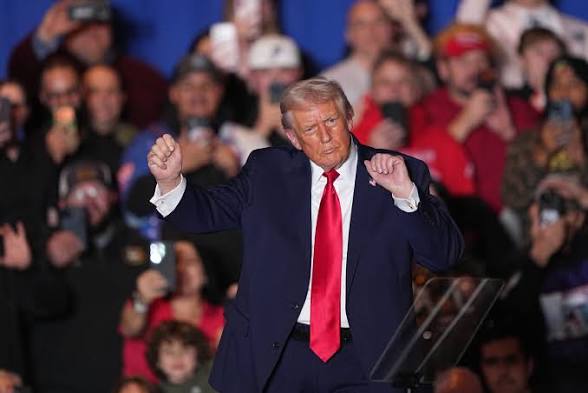
Back in Washington, the political fallout is equally intense. President Donald Trump has doubled down on his aggressive stance toward Tehran, framing the conflict as a popular national mission. Despite rising public war weariness, the administration maintains that the American public supports the current military trajectory.
As the regional situation remains fluid, the gap between the images projected in Pentagon press briefings and the harsh realities of the Middle East continues to widen. Observers suggest that without a shift in strategy, the optics of dominance may soon fail to mask the strategic stalemates occurring in the field.
Summary:
1. CENTCOM is facing criticism for targeting empty decoys rather than active military assets.
2. Tactical reality shows a reliance on PR-driven strikes to maintain a narrative of success.
3. Yemeni forces are successfully asserting control over Red Sea maritime routes.
4. The Trump administration continues to insist on public support despite mounting war weariness.