Iran Sends Technical Team to Doha Amid Rising Strait of Hormuz Tensions
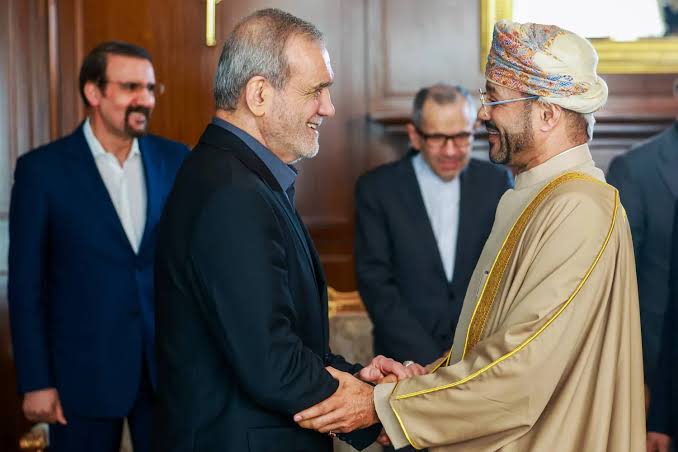
Featured image for news article
Iran is set to dispatch a high-level technical delegation to Doha tomorrow to oversee the implementation of a recently established Memorandum of Understanding (MoU). Foreign Ministry Spokesman Ismael Baqaei confirmed the move, noting that the team is focused on finalizing technical frameworks, though he clarified that no direct negotiations with American counterparts are on the agenda.
The timing of the visit has drawn significant international interest, as it coincides with the arrival of U.S. figures Steve Witkoff and Jared Kushner in the Qatari capital. Despite the presence of these American officials in the same city, Iranian authorities remain firm that the delegation’s mission is strictly limited to the MoU’s existing provisions, effectively ruling out any behind-the-scenes diplomatic breakthroughs.
Beyond the Doha mission, Tehran is signaling a shift in its maritime policy regarding the Strait of Hormuz. The Foreign Ministry confirmed ongoing consultations with Oman concerning the future management of the vital waterway, which serves as a critical artery for global oil supplies.
The Iranian government has issued a clear ultimatum regarding the future of the Strait. Officials stated that if Oman decides against participating in a joint mechanism for the collection of transit fees and the provision of essential maritime services, Iran is prepared to assume full, unilateral control of the passage.
This assertive stance highlights Tehran’s desire to leverage its strategic geography to exert greater control over regional maritime traffic. By proposing a fee-based service model, Iran is looking to solidify its influence, potentially reshaping the regulatory landscape for international shipping vessels passing through the Persian Gulf.
As the technical teams arrive in Doha, global observers remain wary of the geopolitical implications. The intersection of maritime security disputes and technical diplomatic missions underscores the complex web of tensions currently defining Middle Eastern diplomacy.
Summary:
1. Iran is sending technical experts to Doha to implement a new MoU.
2. The delegation will not engage in direct talks with U.S. officials present in Qatar.
3. Iran is pressuring Oman to agree to a joint management plan for the Strait of Hormuz.
4. Tehran has threatened to manage the Strait unilaterally if a joint fee-collection agreement cannot be reached.