Hezbollah Rejects Lebanon-Israel Deal
Featured image for news article
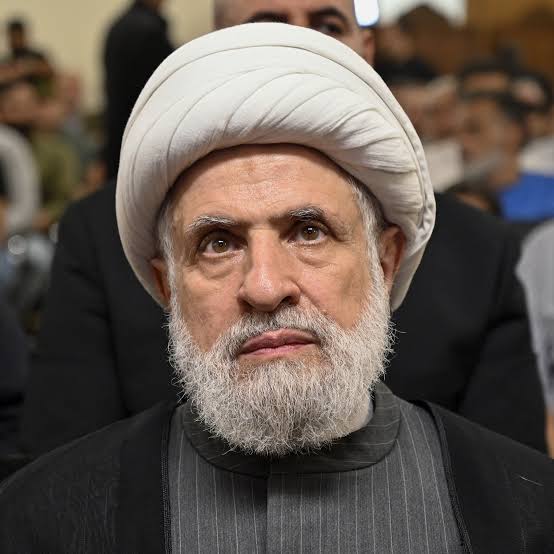
Hezbollah Secretary-General Naim Qassem has formally denounced the current Lebanon-Israel ceasefire framework, labeling the proposal a “humiliation” and a direct affront to Lebanese national sovereignty. The rejection marks a significant hardening of the militant group’s stance as regional tensions continue to escalate.
According to Qassem, the Lebanese government bypassed a previously proposed Iranian-U.S. memorandum that sought an immediate cessation of hostilities. Instead, he claims that Beirut’s current diplomatic trajectory offers Israel strategic concessions that the Israeli military has failed to secure through active combat operations.
Central to Hezbollah’s grievances is the condition linking an Israeli military withdrawal to the total disarmament of the resistance movement throughout Lebanon. Qassem warned that such a provision could effectively provide a veneer of legitimacy for a prolonged occupation, thereby complicating the safe return of thousands of displaced Lebanese civilians to their homes.
The Secretary-General emphasized that Hezbollah remains committed to its military operations, framing them as a necessary defense against perceived overreach. He urged the Lebanese government to abandon its current diplomatic path and return to the framework outlined in the Iranian-U.S. memorandum as the only viable mechanism for achieving a total Israeli withdrawal.
The geopolitical impasse highlights the deep divisions within Lebanon regarding the management of the ongoing conflict. While the government faces intense international pressure to reach a sustainable peace agreement, Hezbollah’s refusal to disarm remains the primary obstacle to a unified national position.
As the diplomatic stalemate persists, the future of the border region remains uncertain. International mediators are now tasked with navigating these conflicting demands, balancing the government’s desire for stability with Hezbollah’s rigid insistence on maintaining its armed presence.
1. Hezbollah rejects the Lebanon-Israel framework, calling it a threat to sovereignty.
2. The group claims the government ignored an alternative Iranian-U.S. peace plan.
3. Hezbollah warns that disarming resistance groups could lead to a long-term occupation.
4. The organization vows to continue military operations until its conditions are met.